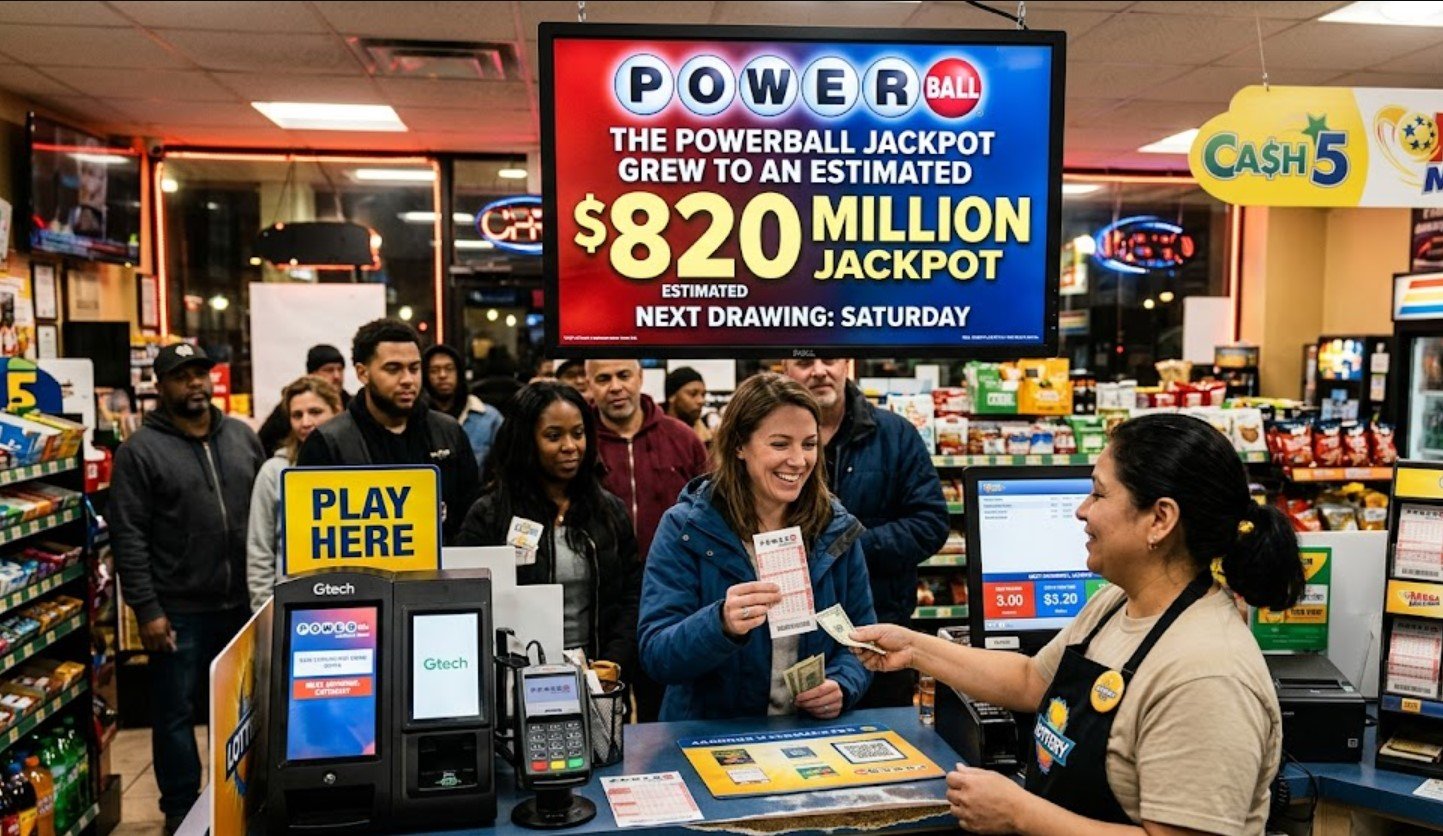
The lottery world is buzzing as the Powerball jackpot grew to an estimated $820 million, drawing massive attention from casual players and seasoned participants alike. This staggering figure places the current prize among the largest in Powerball history, sparking conversations about odds, strategies, and life-changing possibilities. As ticket sales surge across the United States, understanding what this moment means—and how to approach it responsibly—has never been more important.
Why the Powerball Jackpot Keeps Growing
When the headline reads that the Powerball jackpot grew to an estimated $820 million, it reflects a simple but powerful mechanism: no winning ticket matched all six numbers in previous draws. Each rollover adds to the prize pool, fueled by increasing ticket sales and public excitement.
Powerball follows a pari-mutuel system, meaning the jackpot expands based on participation. As more people buy tickets, the prize climbs faster. This creates a feedback loop where media coverage drives more interest, and more interest drives larger jackpots. Recent years have seen multiple jackpots surpass the half-billion mark, reflecting both population growth and increased engagement.
Another factor behind such enormous prizes is the structure of the game itself. Adjustments to odds over time have made jackpots harder to win but significantly larger when they hit. That’s why headlines like the Powerball jackpot grew to an estimated $820 million are becoming more common, though still rare enough to capture national attention.
Understanding the Odds and What They Mean
While the excitement is real, it’s important to approach the lottery with a grounded perspective. The odds of winning the Powerball jackpot currently stand at approximately 1 in 292.2 million. When the Powerball jackpot grew to an estimated $820 million, it didn’t change the odds; it simply increased the potential reward.
This distinction matters. Many players are drawn in by the size of the prize, but the probability remains constant regardless of how large the jackpot becomes. Experts often recommend viewing lottery participation as entertainment rather than an investment strategy.
Despite the long odds, smaller prizes are more attainable. Matching fewer numbers can still yield payouts ranging from a few dollars to substantial sums, depending on the combination. This layered prize structure contributes to the widespread appeal of the game.
Lump Sum vs. Annuity: Choosing Your Payout
If a lucky winner claims the prize after the Powerball jackpot grew to an estimated $820 million, they will face a crucial decision: take a lump sum or opt for an annuity.
The lump sum offers immediate access to a reduced portion of the jackpot, typically around half of the advertised amount before taxes. This option provides flexibility for investments, debt repayment, or major purchases.
The annuity, on the other hand, distributes the full jackpot amount over 30 years, with annual payments that increase over time. This option can offer long-term financial stability and reduce the risk of overspending.
Financial advisors often suggest that winners consult professionals before making this decision. Tax implications, investment strategies, and personal financial goals all play a role in determining the best choice.
Economic and Social Impact of Massive Jackpots
When headlines announce that the Powerball jackpot grew to an estimated $820 million, the impact extends beyond individual players. Lottery revenue contributes to state-funded programs, including education, infrastructure, and public services.
Increased ticket sales during jackpot surges can generate significant funding for these initiatives. However, critics argue that lottery systems disproportionately affect lower-income communities, who may spend a higher percentage of their income on tickets.
This dual impact highlights the importance of responsible participation. While the lottery can provide benefits at a societal level, individuals should remain mindful of their spending habits.
Tips for Playing Responsibly
The excitement surrounding the Powerball jackpot grew to an estimated $820 million can lead to impulsive decisions. Maintaining a balanced approach is key.
Setting a budget before purchasing tickets helps prevent overspending. Treating lottery participation as a form of entertainment rather than a financial plan ensures a healthier mindset. It’s also wise to avoid chasing losses or increasing spending after unsuccessful draws.
Experts consistently emphasize that the lottery should complement, not replace, traditional financial planning strategies such as saving, investing, and budgeting.
What Happens If You Win?
Winning a jackpot of this magnitude brings both opportunity and complexity. If the Powerball jackpot grew to an estimated $820 million and you hold the winning ticket, the first step is to secure it and consult legal and financial professionals.
Winners often choose to remain anonymous where possible, depending on state laws. Establishing a trust or legal entity can provide privacy and help manage the sudden influx of wealth.
Beyond logistics, winners face emotional and social adjustments. Sudden wealth can bring challenges, including managing relationships and making long-term decisions. Preparation and professional guidance can make a significant difference in navigating this transition.
The Role of Media and Public Fascination
Media coverage plays a major role when the Powerball jackpot grew to an estimated $820 million. News outlets, social media platforms, and conversations across communities amplify interest and participation.
This widespread attention reflects a broader cultural fascination with life-changing events. The idea of turning a small investment into immense wealth resonates across demographics, fueling both hope and curiosity.
However, this attention can also create unrealistic expectations. Balancing excitement with realism ensures a more grounded experience for participants.
Conclusion
The news that the Powerball jackpot grew to an estimated $820 million represents more than just a number. It’s a moment that captures imagination, drives participation, and sparks important conversations about probability, finance, and responsibility.
While the allure of such a massive prize is undeniable, approaching the lottery with informed awareness is essential. Understanding the odds, planning for potential outcomes, and maintaining responsible habits can help ensure that participation remains enjoyable and sustainable.
Whether you choose to play or simply watch from the sidelines, this historic jackpot serves as a reminder of both the possibilities and realities behind one of the world’s most popular lottery games.
FAQs
What are the odds of winning the Powerball jackpot?
The odds are approximately 1 in 292.2 million, regardless of the jackpot size.
Can winners remain anonymous?
This depends on state laws. Some states allow anonymity, while others require public disclosure.
How is the jackpot funded?
Ticket sales contribute to the prize pool, along with allocations for smaller prizes and state programs.
Is the $820 million paid in full immediately?
No, the advertised amount is typically paid as an annuity over 30 years. A lump sum option is available at a reduced value.
Should I play when jackpots are higher?
That depends on personal preference. Higher jackpots increase excitement but do not improve the odds of winning.
For more updates visit: BAYU CASINO